
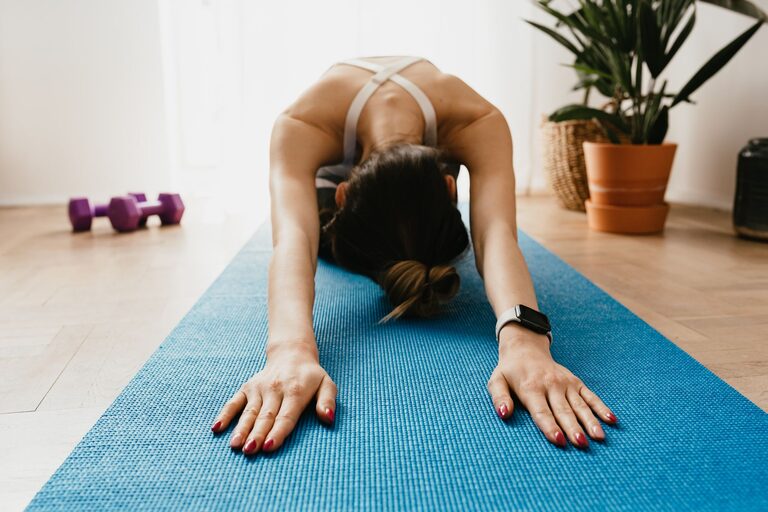
Stretching is a simple yet powerful way to improve your flexibility, relieve muscle tension, and enhance your overall physical health. Whether you’re a complete beginner or looking to establish a basic routine, stretching at home can be both convenient and effective. This guide will walk you through everything you need to get started safely and confidently.
Why Stretching at Home Is a Great Idea
Many people avoid stretching because they feel unsure about how to do it correctly, or they think they need special equipment or a gym membership. However, stretching requires little space and no fancy gear, making it ideal for home practice. Regular stretching can:
– Improve your range of motion
– Reduce muscle stiffness and soreness
– Help prevent injuries
– Promote better posture
– Reduce stress and improve relaxation
Before you start, it’s important to be gentle with your body and avoid pushing too hard. Stretching should feel good and never painful.
Getting Started: Tips for Beginners
1. Create a Comfortable Space
Find a quiet, open area in your home where you can stretch without distractions. A yoga mat or soft surface is ideal to cushion your joints.
2. Wear Comfortable Clothing
Choose loose, breathable clothes that allow you to move freely.
3. Warm Up First
Stretching cold muscles can lead to injury. Take 5 minutes to do light cardio like walking in place or gentle jogging before you begin.
4. Focus on Breathing
Deep, steady breaths help you relax and improve the effectiveness of your stretches.
5. Hold Each Stretch
Aim to hold each stretch for about 20-30 seconds. Avoid bouncing or sudden movements.
Basic Stretching Routine for Beginners
Here’s a simple routine that targets major muscle groups. Perform each stretch slowly and with control.
Neck Stretches
– Side Neck Stretch: Sit or stand tall. Gently tilt your head toward your right shoulder until you feel a stretch on the left side of your neck. Hold and switch sides.
– Chin-to-Chest Stretch: Lower your chin to your chest and hold, feeling the stretch along the back of your neck.
Shoulder and Arm Stretches
– Cross-Body Shoulder Stretch: Bring your right arm across your chest. Use your left hand to gently press it closer until you feel a stretch in your shoulder. Switch sides.
– Triceps Stretch: Raise your right arm overhead, bending the elbow to touch the upper back. Use your left hand to gently push your elbow for a deeper stretch. Repeat on the other side.
Back and Spine Stretches
– Cat-Cow Stretch: On all fours, arch your back up like a cat, then dip it down like a cow. Move slowly between these positions to loosen your spine.
– Seated Spinal Twist: Sit cross-legged or on a chair. Place your right hand on your left knee and gently twist your torso to the left. Hold and repeat on the other side.
Leg and Hip Stretches
– Standing Hamstring Stretch: Place your right heel on a low surface or extend your leg in front. Keep your back straight and lean forward slightly to stretch your hamstring. Switch legs.
– Hip Flexor Stretch: Step your right foot forward into a lunge position; let your left knee rest on the floor. Push your hips forward gently to stretch the front of your left hip. Switch sides.
– Calf Stretch: Stand facing a wall with your hands resting on it. Place your right leg back and press the heel into the ground to stretch your calf. Switch legs.
Tips for Success and Consistency
– Set a Schedule: Aim to stretch at least 3-4 times per week for noticeable benefits.
– Listen to Your Body: Stretch only as far as comfortable to avoid injury.
– Stay Hydrated: Drink water to keep your muscles hydrated and healthy.
– Combine with Movement: Incorporate stretching as part of your warm-up or cool-down during exercise.
– Track Your Progress: Notice improvements in flexibility and comfort to stay motivated.
When to Avoid Stretching
While stretching is generally safe, avoid it if you have:
– Recent injuries or surgery without doctor approval
– Severe joint pain or inflammation
– Certain medical conditions that require special care
If you’re unsure, it’s best to consult a healthcare professional before starting a new stretching routine.
Final Thoughts
Stretching at home is an accessible and beneficial practice for anyone looking to improve their flexibility, reduce tension, and feel better daily. With a little time, the right approach, and consistency, you can enjoy the lasting benefits of stretching without leaving your living room. Start slow, be patient, and make stretching a regular habit for a healthier, more limber you.