
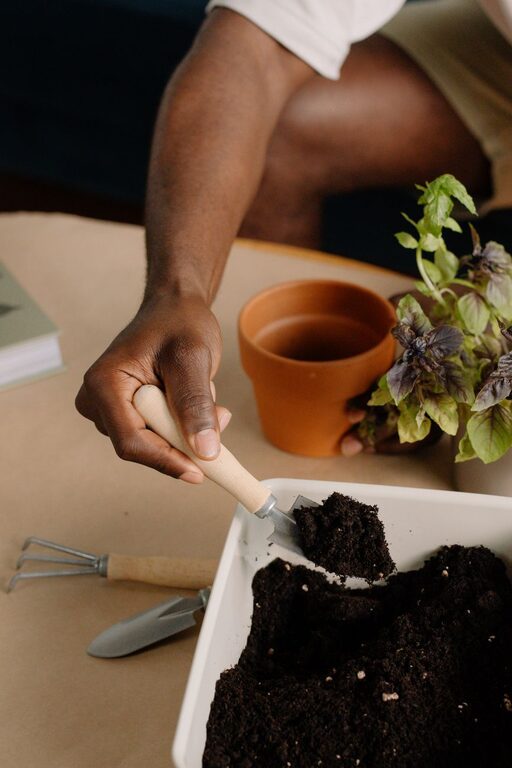
Starting a small herb garden indoors is a rewarding and accessible way to bring fresh flavors into your kitchen and add a touch of greenery to your home. Whether you have a sunny windowsill, a balcony, or just a little corner of space, growing herbs indoors can be both practical and enjoyable. This guide will walk you through everything you need to know to get started, from choosing the right herbs to caring for your plants.
Why Grow Herbs Indoors?
Growing herbs indoors has many benefits. Fresh herbs can enhance your cooking with vibrant flavors, and tending to plants has been shown to reduce stress. Plus, an indoor herb garden means you can enjoy herbs year-round, regardless of the weather outside. It also saves trips to the grocery store and reduces your environmental footprint by cutting down on packaged herbs.
Choosing the Right Herbs for Your Indoor Garden
Not all herbs thrive indoors, so it’s important to pick varieties suited for indoor conditions. Here are some popular and easy-to-grow herbs for beginners:
– Basil: Loves sunlight and warmth; perfect for sunny spots.
– Mint: Grows quickly and can handle partial shade; great for teas and garnishes.
– Parsley: Requires moderate light and regular watering.
– Chives: Adaptable and easy to grow with bright light.
– Thyme: Prefers bright light and drier soil.
– Cilantro: Needs cooler temperatures and moderate light.
– Oregano: Thrives in full sun and well-drained soil.
Select herbs that you use most often in your kitchen to ensure your garden stays useful and inspiring.
What You’ll Need to Start Your Indoor Herb Garden
Before planting, gather the essential supplies to make your indoor herb garden a success:
– Containers or pots with drainage holes
– Potting soil formulated for indoor plants or herbs
– Seeds or starter plants of your chosen herbs
– A sunny spot (a south-facing window is ideal)
– Watering can or spray bottle
– Labels or markers to identify each herb
– Optional: Small grow lights if natural light is limited
Step-by-Step Guide to Planting Your Indoor Herb Garden
1. Select and Prepare Containers
Choose pots that are about 6-8 inches deep, with good drainage holes to prevent waterlogging. If reusing containers, clean them thoroughly to avoid diseases.
2. Fill with Potting Soil
Use lightweight, well-draining potting mix rather than garden soil. Fill each container, leaving about an inch at the top.
3. Plant Seeds or Transplants
If planting seeds, follow the seed packet instructions for depth and spacing. For seedlings, gently transplant them into the soil, firming around the roots but avoiding compacting the soil too much.
4. Water Gently
Moisten the soil with water but avoid soaking. Keep the soil consistently damp but not soggy.
5. Provide Adequate Light
Place your pots in a bright location where they will get at least 6 hours of sunlight daily. If natural light is insufficient, consider using a full-spectrum grow light for 10-12 hours a day.
Caring for Your Indoor Herb Garden
Watering
Most herbs prefer evenly moist soil. Check the soil surface daily, and water when it feels dry to the touch. Avoid overwatering, as soggy roots can lead to rot.
Temperature and Humidity
Most herbs thrive in temperatures between 65°F and 75°F. Indoor heating can dry the air, so occasional misting or using a humidity tray can be beneficial.
Feeding Your Herbs
Use a balanced, water-soluble fertilizer every 4-6 weeks to support healthy growth. Be careful not to over-fertilize, as this can reduce flavor.
Pruning and Harvesting
Regular pruning encourages bushier growth. Harvest leaves by pinching or cutting just above a leaf node. Avoid cutting more than one-third of the plant at a time to keep it healthy.
Troubleshooting Common Issues
– Yellowing leaves: Could be from overwatering or lack of nutrients.
– Leggy growth: Indicates insufficient light. Move the plants to a brighter spot.
– Pests: Watch for aphids or spider mites. Wipe leaves with soapy water or use natural insecticidal soap.
Tips for Success
– Rotate pots regularly so each herb receives even light.
– Start with a few herbs to avoid being overwhelmed.
– Label your pots, especially if you’re growing multiple varieties.
– Use fresh herbs regularly to encourage new growth.
Conclusion
Starting a small indoor herb garden is easier than you might think and can be a delightful addition to your home. With the right herbs, containers, light, and care, you’ll enjoy fresh, flavorful herbs all year round. Happy gardening!